

Wondering how often should you wash your hair? The real answer by hair type is not as straightforward as you might think. Different hair types curly, straight, oily, or dry each have unique needs, and finding your ideal washing routine is crucial for healthy, vibrant hair. Whether you style daily or rarely touch shampoo, understanding the best approach for your hair type can prevent damage, retain moisture, and keep your scalp in top condition. This guide provides fresh insights and practical advice to help you tailor your washing schedule for optimum hair health, whatever your hair type or lifestyle.
What Determines the Right Hair Washing Frequency?

The ideal frequency for washing your hair depends on several key factors: hair type, scalp condition, lifestyle, and even the environment you live in. While some may benefit from daily washing, others might find their hair thrives with just a weekly cleanse. The primary purpose of washing is to remove dirt, sweat, and excess oil, but overwashing can strip away the scalp’s natural oils, leading to dryness, irritation, and weakened hair. On the other hand, infrequent washing can cause product build-up and scalp discomfort.
Hair texture plays a significant role. Fine, straight hair tends to distribute oil more quickly, making it appear greasy sooner, while curly or coily textures retain moisture and stay fresher for longer. Age, hormonal changes, and activity levels also affect oil production and hair health. Modern lifestyles think regular workouts, city pollution, or frequent styling can further influence how often you need to shampoo.
How Does Scalp Oiliness Affect Washing Needs?
Sebum production varies from person to person. People with oily scalps may notice greasiness within a day or two, especially with straight hair that allows oil to travel down the shaft. In contrast, those with dry or mature scalps often need less frequent washing, as oil production decreases with age and certain genetic factors. Understanding your scalp’s behaviour is crucial to building a suitable hair care routine.
Why Does Environment Matter in Hair Washing?
Environmental factors like humidity, pollution, and exposure to dust can all contribute to how dirty or oily your hair feels. City dwellers or those in hot, humid climates might need more frequent washing to remove sweat and grime, while people in dry, cooler settings may find their hair stays cleaner for longer periods.
How Often Should You Wash Straight or Oily Hair?

Straight hair, especially when paired with an oily scalp, usually requires more frequent washing than other types. The smooth structure allows natural oils to travel quickly, making hair look flat and greasy within a day or two. Many experts recommend washing straight or oily hair every day or every other day, using a gentle, sulphate-free shampoo to avoid stripping the scalp. However, even oily hair can benefit from occasional breaks to help balance sebum production.
If you find your hair becomes greasy within 24 hours, try reducing product use and opt for lightweight conditioners applied only to the ends. For those with moderate oiliness, washing every two days can be enough, while dry shampoo offers a handy solution between washes.
What Products Are Best for Oily Hair?
Clarifying shampoos are designed to remove excess oil and build-up, but overuse can lead to dryness. Choose products labelled for daily or frequent use, and avoid heavy conditioners or leave-in treatments that can weigh hair down. Look for ingredients like tea tree oil or witch hazel, known for balancing oil production.
Can Washing Frequency Affect Scalp Health?
Washing too often can disrupt the scalp’s natural balance, potentially triggering more oil production as a rebound effect. If you’re struggling with persistent oiliness, try gradually spacing out washes and monitor how your scalp responds. Sometimes, a simple change in routine can restore equilibrium.
How Often Should Curly or Dry Hair Be Washed?

Curly and dry hair types retain moisture longer and are prone to frizz and breakage if washed too frequently. The natural twists and bends of curly hair slow the movement of sebum, helping to keep the hair shaft hydrated but also making it more susceptible to dryness. For these hair types, washing once or twice a week is often sufficient.
To maintain moisture, co-washing (using conditioner instead of shampoo) is a popular method. This gentle approach cleanses without stripping away essential oils. Always use hydrating, sulphate-free formulas and deep-conditioning treatments to keep curls healthy and defined.
What Is the Role of Co-Washing for Curly Hair?
Co-washing, or conditioner-only washing, helps preserve natural oils while removing surface impurities. This method is especially beneficial for tight curls or coils, as it reduces frizz and breakage. Many curly-haired individuals find co-washing between shampoo days keeps their hair fresh without over-drying.
How Can You Prevent Dryness in Curly Hair?
Applying leave-in conditioners and using silk pillowcases can help retain moisture. Avoid hot water and harsh shampoos, as these strip oils and exacerbate dryness. Instead, focus on gentle detangling and regular hydration, which can support curl formation and overall hair health.
What About Wavy or Normal Hair Types?

Wavy and normal hair types generally fall between oily straight hair and dry curly hair in terms of washing needs. Most people with wavy or normal hair can comfortably wash every two to three days. This frequency maintains cleanliness without excessive dryness or oil build-up, and allows for versatility in styling.
Adjusting your washing schedule based on activity level such as after intense workouts or exposure to pollution can optimise scalp health. Using a mild shampoo and conditioner suited for your hair’s texture will help maintain a healthy balance and shine.
Are There Special Considerations for Wavy Hair?
Wavy hair often benefits from lightweight moisturisers and styling creams to define waves without weighing them down. Avoid heavy oils or thick conditioners, as these can cause limpness. Gentle cleansing and proper hydration support natural wave patterns and prevent frizz.
How Can You Tell If You’re Over-Washing?
Signs of over-washing include increased dryness, split ends, and a lack of shine. If your scalp feels tight or your hair appears brittle, try spacing out washes and using restorative treatments. Listen to your hair’s signals and adjust your routine accordingly.
How Should You Wash Chemically Treated or Dyed Hair?

Chemically treated or coloured hair is often more fragile and susceptible to dryness. Washing too frequently can strip colour and accelerate damage, making it essential to limit shampooing to once or twice weekly where possible. When washing, use products formulated for colour protection and deep hydration.
Incorporate weekly masks or oil treatments to replenish lost moisture. Always rinse with cool water, which helps seal the hair cuticle and maintain vibrancy. After chemical treatments, wait several days before the first wash to allow the hair to stabilise and lock in colour.
Which Shampoos Are Best for Colour-Treated Hair?
Sulphate-free shampoos are ideal for preserving colour and preventing dryness. Ingredients like keratin, argan oil, and antioxidants support hair strength and shine. Look for salon-recommended brands that cater to your specific colour or treatment type.
Can Washing Less Often Prolong Colour?
Absolutely. The less frequently you wash, the longer your colour lasts. Dry shampoo and root touch-up sprays are useful between washes, helping to absorb oil and refresh your look without fading colour.
How Does Age Influence Hair Washing Frequency?
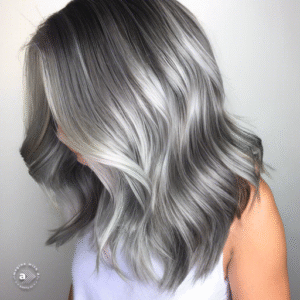
As we age, our scalp’s sebaceous glands produce less sebum, resulting in drier hair and scalp. Older adults often find they can go longer between washes sometimes up to a week without any discomfort. Adapting your routine to your scalp’s changing needs ensures hair remains healthy and manageable throughout life.
Mature hair may also benefit from richer, more nourishing products. Regular gentle cleansing, paired with hydrating conditioners and scalp massages, can help combat dryness and support circulation.
What Products Work Best for Ageing Hair?
Choose shampoos and conditioners packed with natural oils, proteins, and vitamins. Products targeting mature hair are designed to restore elasticity, promote shine, and reduce brittleness. Avoid harsh chemicals that can exacerbate dryness.
Can Scalp Massage Improve Hair Health?
Scalp massage stimulates blood flow and can encourage healthier hair growth. Incorporate this step while shampooing or applying conditioner to maximise absorption of nutrients and relieve tension.
What Is the Impact of Lifestyle and Habits on Washing Frequency?

Active lifestyles, frequent gym sessions, and outdoor exposure can all necessitate more frequent hair washing. Sweat and pollutants accumulate on the scalp, leading to discomfort or odour. However, over-washing after every workout isn’t always necessary rinsing with water or using dry shampoo can suffice between full washes.
Personal habits, such as frequent use of styling products, can also influence how often you need to cleanse your hair. Build-up from gels, sprays, or creams may require clarifying shampoos, but moderation is key to prevent dryness.
Should You Wash Hair After Every Workout?
Not always. If your scalp feels sweaty but your hair isn’t visibly dirty, rinsing with cool water or using a dry shampoo can refresh your hair without overwashing. Save thorough cleanses for days when you’ve used heavy products or your scalp feels uncomfortable.
How Do Hair Products Affect Washing Frequency?
The more styling products you use, the greater the potential for build-up, which can weigh hair down and block follicles. Rotate between regular and clarifying shampoos to manage build-up, but always follow with a nourishing conditioner to maintain moisture.
How to Adjust Your Hair Washing Routine for Optimal Health
Finding the perfect washing schedule often requires experimentation. Start by reducing your washes gradually and observe how your scalp and hair respond. Use gentle, sulphate-free shampoos, and adjust conditioner application based on your hair’s length and thickness. Remember, hair care is highly individual what works for one person may not suit another.
Seasonal changes, hormonal shifts, and dietary habits can all impact hair’s needs. Keep your routine flexible and update your products as required. If you experience persistent scalp irritation or excessive hair loss, consult a trichologist or dermatologist for tailored advice.
What Signs Indicate a Healthy Hair Routine?
Healthy hair feels soft, looks shiny, and has minimal breakage or split ends. A comfortable, flake-free scalp is another sign your routine is working. If you notice improvements in texture and manageability, your washing frequency is likely well-matched to your hair type.
When Should You Seek Professional Advice?
If you encounter ongoing issues like scalp itchiness, excessive oiliness, or sudden hair thinning, professional guidance is essential. Early intervention can prevent long-term damage and ensure your hair remains healthy and strong.
Key Takeaways for Your Perfect Hair Washing Schedule

How often should you wash your hair? The real answer by hair type is highly individual, shaped by genetics, lifestyle, and personal needs. Oily or straight hair may benefit from daily or alternate-day washes, while curly, dry, or coloured hair thrives with less frequent cleansing. Environmental factors, age, and product use all play crucial roles. By understanding your unique hair type and observing your scalp’s signals, you can craft a routine that keeps your hair clean, healthy, and full of life no matter your style or schedule.
 Back To Resources